British Divers Marine Life Rescue (BDMLR) was conceived because of seals in need of help. In 1988, as our history page shows, a group of divers got together to try to help common/harbour seals dying from a distemper virus. Seals have been a mainstay of our work ever since, and we get thousands of calls about seals each year. In 2025 alone, we recorded 4,568 calls to our emergency hotline just about seals.
Not all the calls were to animals in need of assistance, but each call is investigated. Often, Marine Mammal Medics are dispatched to check on an animal to simply watch a seal be a seal, but other times they have to put up signs or barriers to protect the animal from various forms of human disturbance and to engage positively with people. If a seal is caught in marine debris, in a dangerous location, or has a wound, etc, our Marine Mammal Medics may intervene and provide first aid to the animal.
There are cases where the animal is left on the beach as it is just resting and physically okay; however, there are worse cases. Young pups can be abandoned by their mothers (rough weather and human disturbance being the most common causes), or pups become injured or sick. These are animals that, with a little help, can go on to be fit and healthy, but would die painful and unnecessary deaths without human intervention.
As calls to our hotline increased, the number of seals we assisted increased, and we often had to care for them in temporary pens where essential first aid was given before they were moved to specialist rehabilitation centres. These facilities are often overwhelmed by the sheer number of seal pups at certain times of the year, and so we took the important decision to upgrade our first aid and treatment facilities.
In 2021, BDMLR opened a purpose-built specialist seal hospital in Cornwall, one of our busiest areas for callouts. Then in 2024, we opened the North East Seal Triage (NEST) unit, in partnership with Robson & Prescott Vets, to assist the emergency treatment of seals in the north east of the UK. In 2025, BDMLR volunteers successfully fundraised and opened a permanent seal unit in Suffolk, allowing us to treat sick, injured, and abandoned common and grey seal pups from the Wash, Suffolk, and Essex areas.
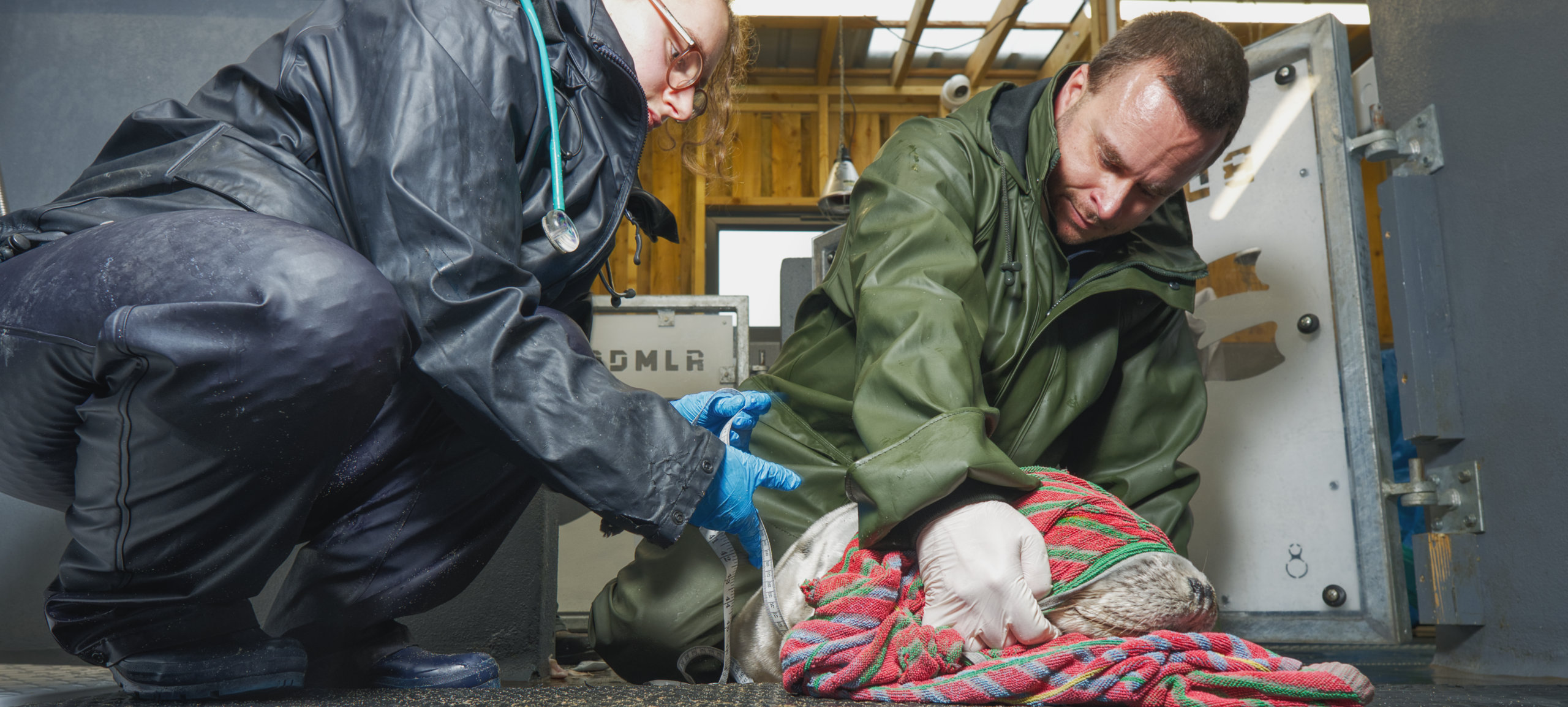
The BDMLR Cornwall Seal Hospital is an essential ICU and overflow, providing emergency care for predominantly grey seal pups before they move on to rehabilitation centres.
The hospital allows us to care for up to 10 seal pups at a time. They are housed in a light, well-ventilated environment with spacious, specially designed pens and individually controlled heat mats—allowing us to tailor the temperature to each pup’s needs. Cameras allow our veterinary team to monitor the pups even when off-site, and a new range of equipment (including blood machine, microscope, and ultrasound machine) has drastically increased our diagnostic capabilities, ensuring each pup receives the correct treatments they require to recover.
A documentary about the hospital can be found on BDMLR’s YouTube channel or at the top of this page.
The centre is staffed by a full-time vet during the seal pupping and weaning season, who is assisted by a team of trained volunteer Marine Mammal Medics who care for the animals until they are well enough to move to specialist rehabilitation centres.
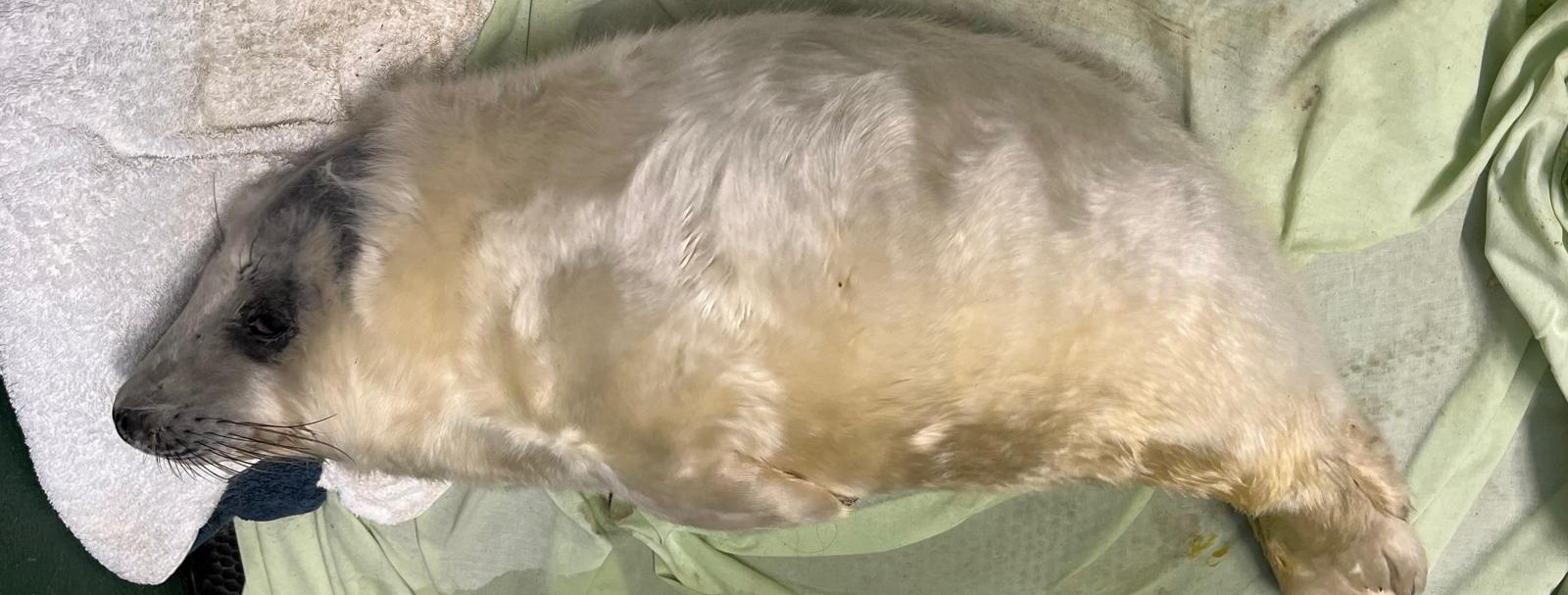
Working in collaboration with Robson & Prescott veterinary practices in Northumberland, our NEST unit was created to assist with triaging and providing emergency first aid to rescued pups to stabilize their conditions before they are taken to rehabilitation facilities. During the winter, NEST is busy caring for grey seal pups, and throughout the summer, it admits harbour/common seal pups requiring assessment and support.
One of NEST’s best-known success stories was ‘Popeye’, a young common/harbour seal who required the removal of an eye after an injury. After months of dedicated care from the NEST volunteers and the team at Robson & Prescott Veterinary Surgeons, Popeye made an excellent recovery and was successfully returned to the wild. His journey demonstrated how rehabilitation gives injured seals a second chance, with collaborative efforts among volunteers, veterinary professionals, and rehabilitation centres leading to positive outcomes.
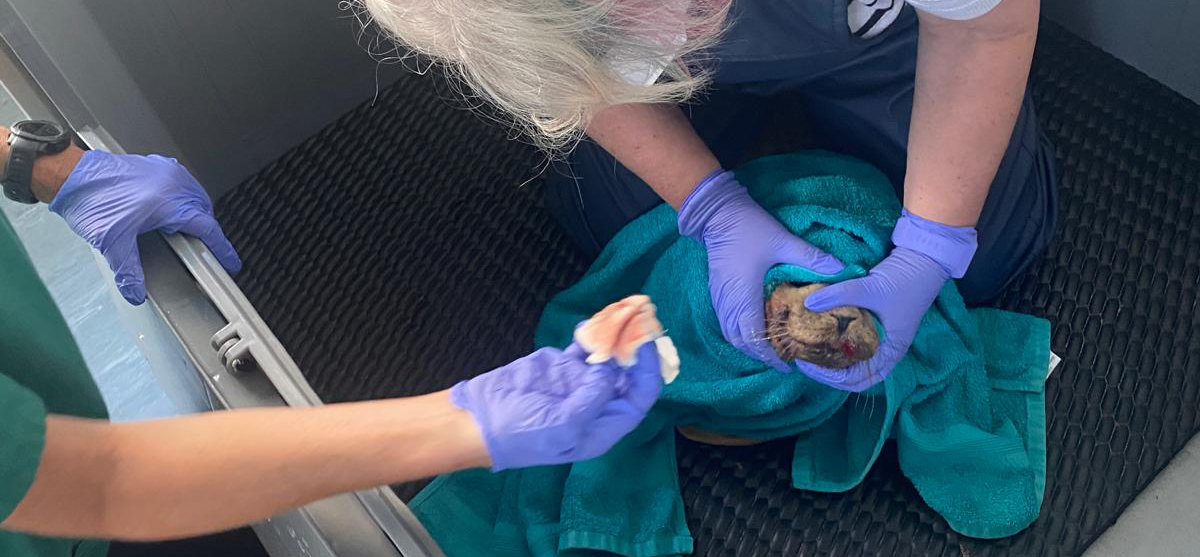
Our Suffolk unit, much like our other units around the country, originally began as a temporary facility, this one in a converted horse trailer, which housed two temporary pens for injured and sick pups. The unit was developed into a permanent seal emergency treatment facility based at a veterinary clinic in southern Suffolk in 2025 following generous grants from the Seal Protection Action Group and the Arthur Camp Foundation, as well as grants from Sea Changers, Felixstowe Town Council, National Landscapes Coasts & Heaths, and fundraising efforts of volunteers.
Seals admitted are typically housed for around 48 hours, allowing them to undergo veterinary assessment, begin any treatments, stabilise, and begin feeding. Once stable enough to travel, our Marine Mammal Medics transfer the seals to long-term rehabilitation centres nearby, where they continue their recovery prior to release. The unit is managed voluntarily by a team of Marine Mammal Medics who provide round-the-clock care on a rota basis. The veterinary team on site plays a vital role in supporting these weak and injured pups during their first critical days.
Seals give birth at different times of the year, depending on the location around the UK and the species. This means certain areas see busy periods for injured, sick or abandoned pups at different times. If the pupping season coincides with rough weather, prolonged disturbance, or a marine incident, the number of seal pups needing help in particular areas often overwhelms rescue facilities, and so BDMLR operates several other seal units to ensure as many vulnerable seal pups as possible are saved. These facilities play a vital role in helping seals in their local areas and are a valuable resource staffed by dedicated Marine Mammal Medics.
There are various ways in which you can help us help seals. We have a page dedicated to ways you can help: simply click here to find out more.
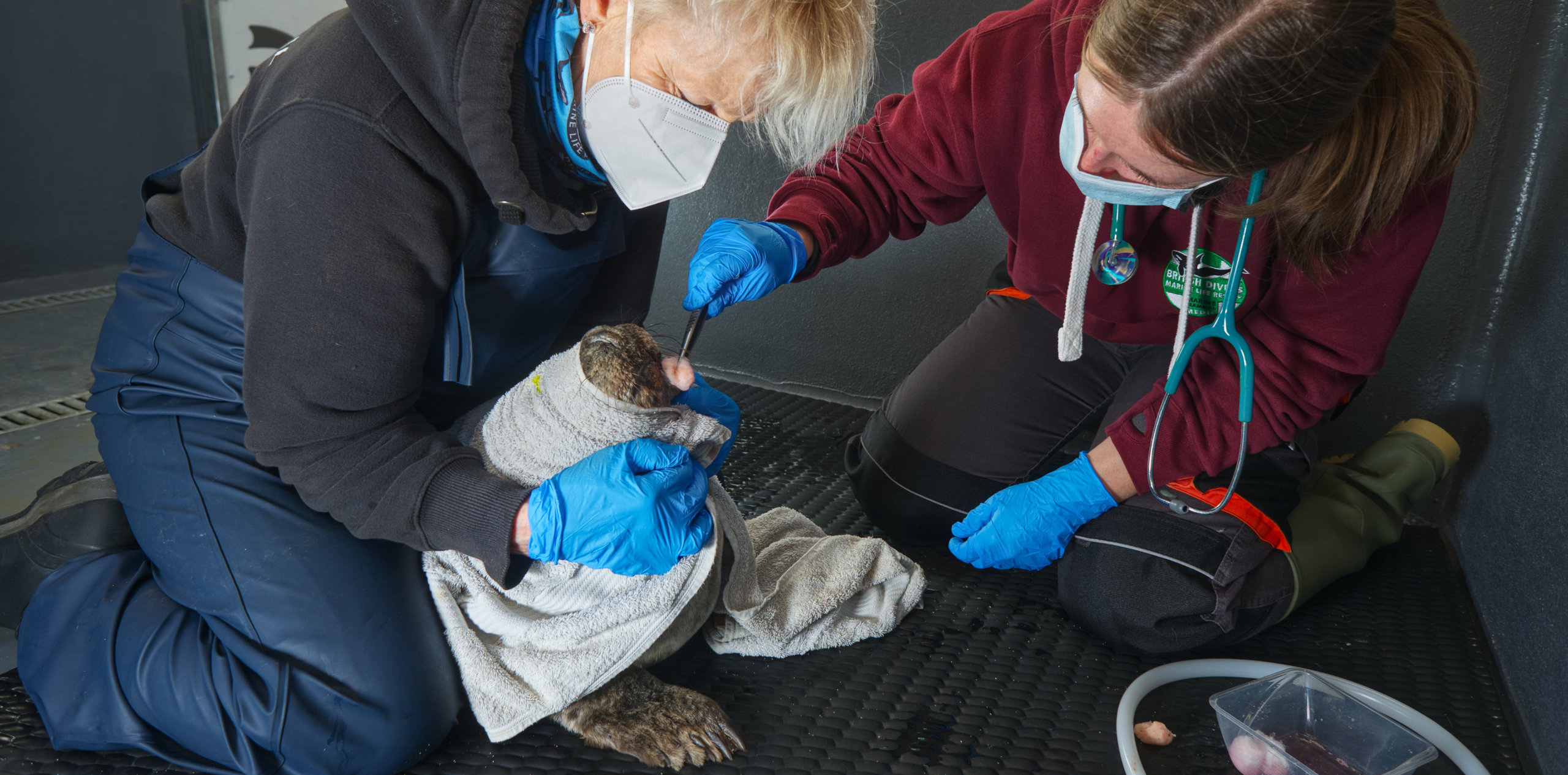
All of our seal unit volunteers must be fully qualified BDMLR Marine Mammal Medics. You can become a Medic by completing one of our courses and more information is available under the ‘Courses’ section of this website. Once you are a Marine Mammal Medic, you can request to volunteer at the unit near you. Obviously, different units have different volunteer needs at different times of the year, so keep an eye on the social media pages to see when your nearest centre is calling for volunteers.
Please note: All our seal hospitals and triage facilities are working veterinary units, and we aren’t able to accept visitors. However, you can follow our work and the pups on social media as we are keen to engage, so feel free to get in touch and ask any questions.