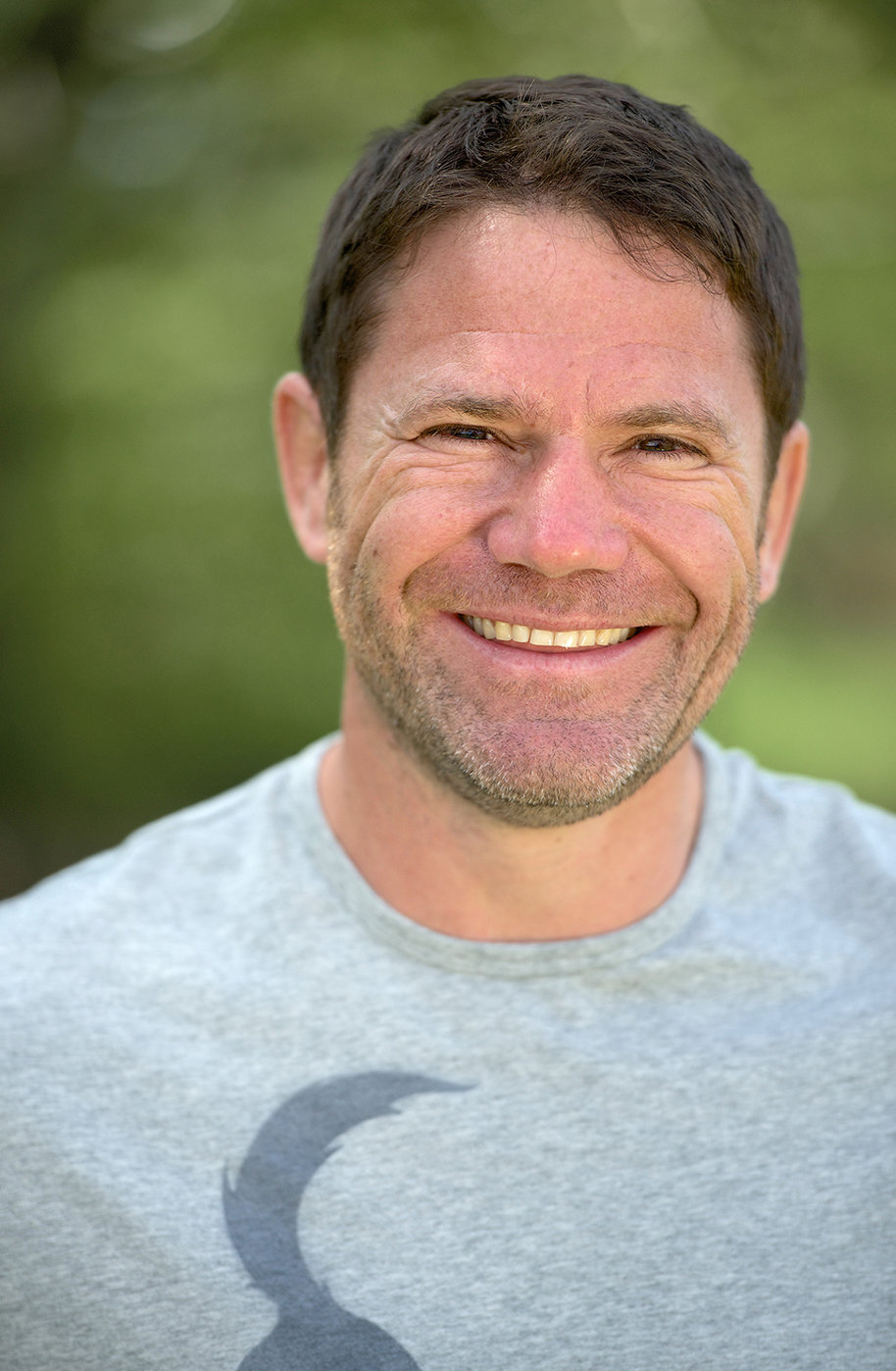
Steve Backshall MBE is one of the UK’s most recognisable naturalists, explorers, and wildlife presenters, celebrated for his fearless approach to adventure and his passion for inspiring people of all ages to connect with the natural world.
Best known for the BBC’s Deadly franchise, Steve has spent more than two decades travelling to some of the planet’s most remote environments, encountering extraordinary wildlife and bringing their stories vividly to life for millions of viewers.
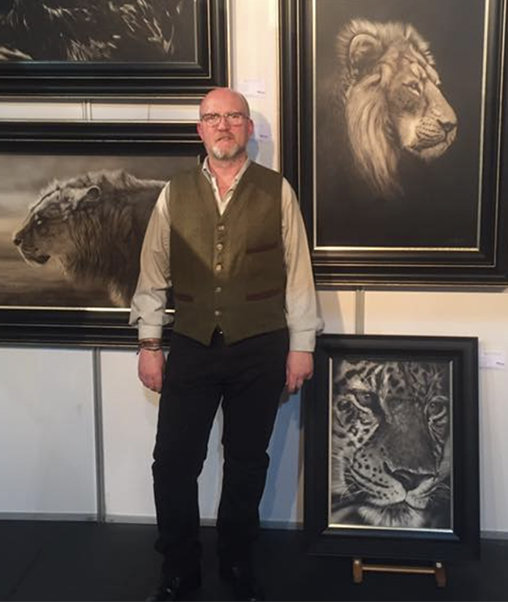
Gordon Corrins is a Scottish wildlife artist known for highly detailed, hyper‑real animal portraits and for using his work to support conservation causes, including BDMLR. His paintings focus on species ranging from whales and apes to lions and tigers, and he regularly donates original works or a share of sales to animal charities as part of his commitment to raising awareness of endangered species and animal welfare.
He says he wants to introduce people who would not normally look at wildlife to see the life and soul in animals and to think more about the planet’s wildlife.
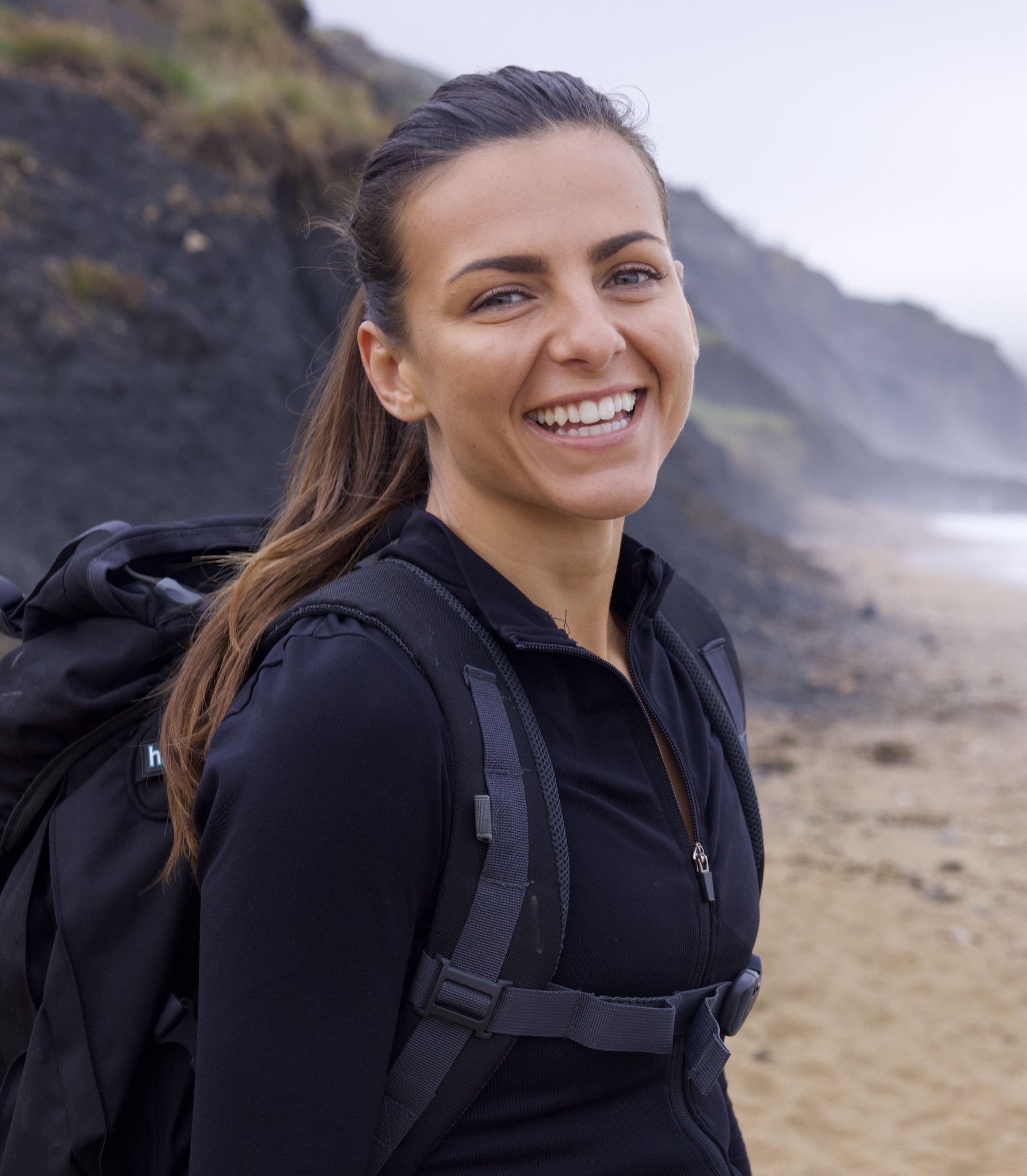
Lizzie Daly is a wildlife biologist, filmmaker, presenter, and explorer whose work blends scientific expertise with a bold, adventurous spirit. She has fronted major natural history productions for Love Nature, Sky, and the BBC. A passionate marine advocate, she has appeared across BBC One, BBC Two and BBC Wales, sharing insights on sharks, lampreys, conger eels and more.
An experienced adventurer, Lizzie has spent extensive time in extreme environments, from solo expeditions in the Arctic Circle to ultra‑running 140km in –35°C conditions.
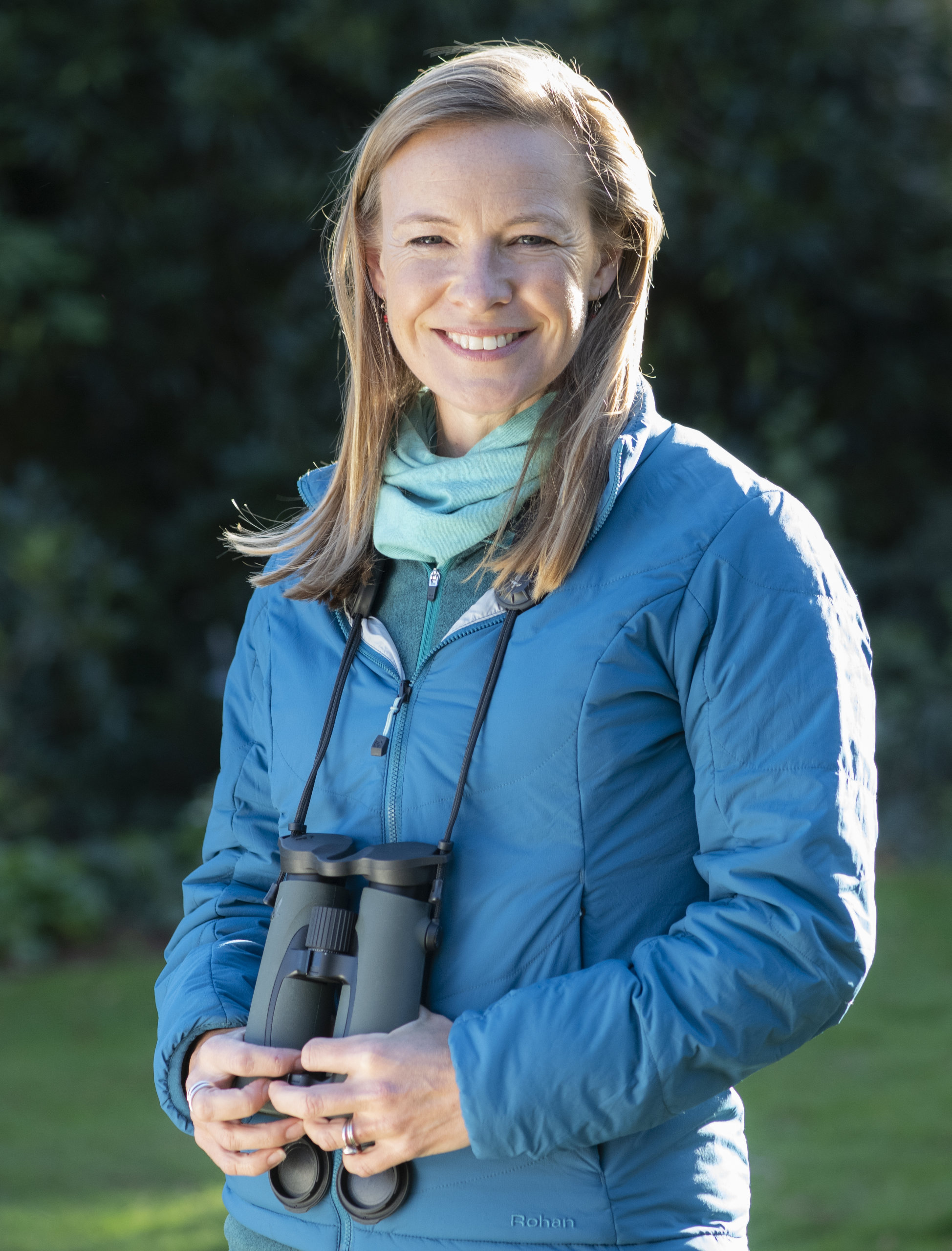
Miranda Krestovnikoff is a British radio and television presenter specialising in natural history and archaeological programmes.
After graduating, she started working for the BBC and various Bristol-based wildlife production companies, a career which has allowed her to travel and present conservation stories from around the globe. She hopes her presenting conveys her passion for wildlife conservation and the environment. Miranda has also written several children’s books and travel guides.
When she’s not traveling, Miranda enjoys sailing, wild swimming, horse riding, camping, cycling and gardening. She also plays the flute, bassoon, piano, and recorder and performs with the acclaimed Bristol Sinfonia.
She lives outside Bristol with her husband, two children and 10 chickens.
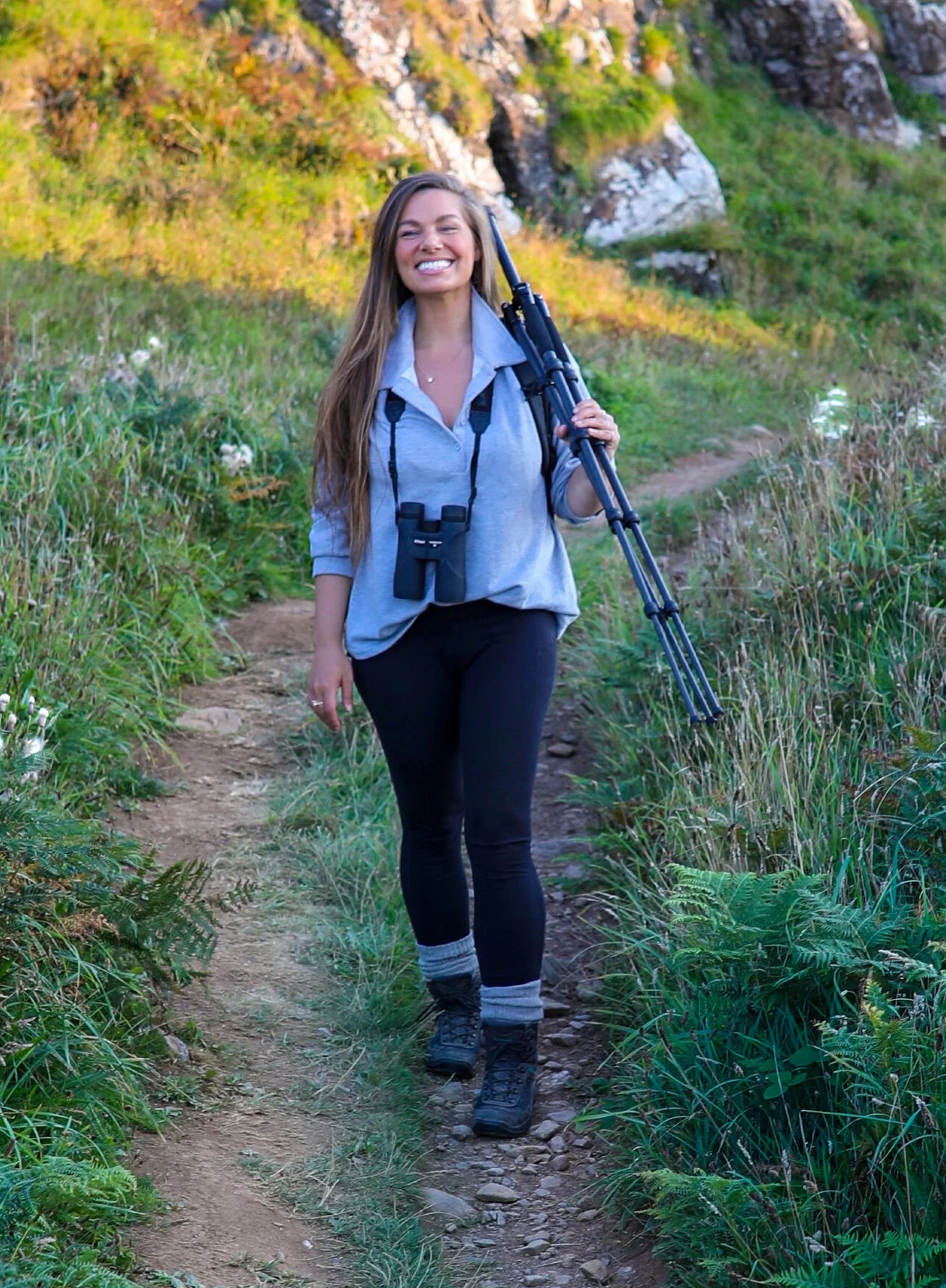
Hannah Stitfall is a wildlife TV presenter for BBC The One Show, BBC Earth, and BBC Springwatch. She is an established wildlife filmmaker and producer with a First Class Degree in Zoology and a Masters in Wildlife Filmmaking.
She’s been working professionally in the wildlife filmmaking industry since 2018 and believes it is our duty to protect and conserve our wildlife, ecosystems, habitats, and natural processes.
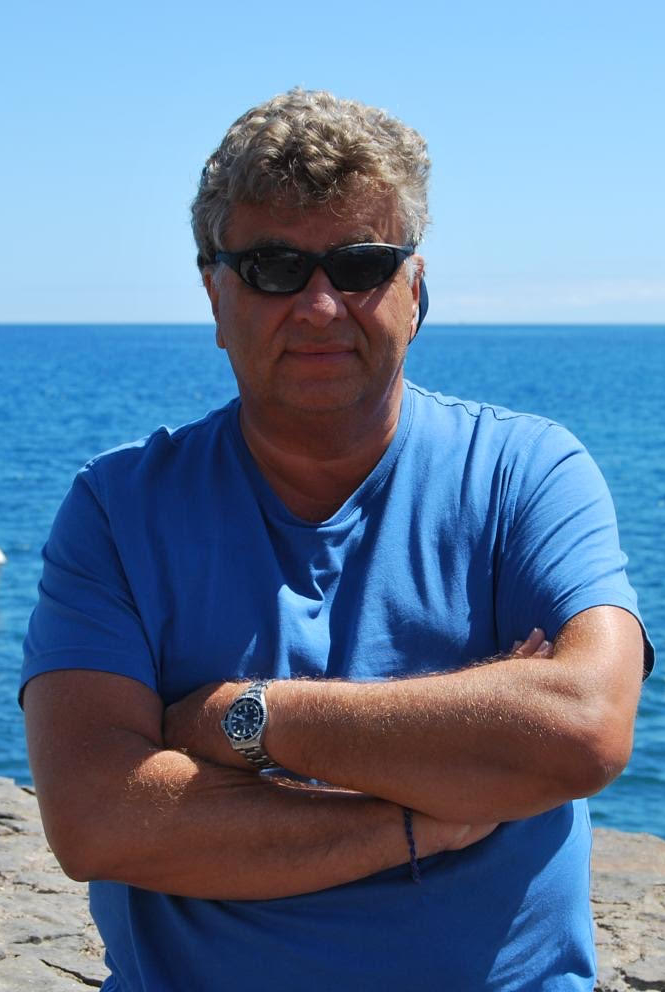
Alan Knight is a founder and Chairman of British Divers Marine Life Rescue. He graduated from Sussex University with an honours degree in Biological Sciences and has always had respect for animals. In 1988, he was instrumental in setting up BDMLR to help seals suffering from Phocine distemper virus.
In the same year, he also set up and became the Chairman of the trustees of International Animal Rescue. In 1999, Alan left his full-time job with the SOL Group and Joined International Animal Rescue as its CEO and in 2024 became the President. Alan lives in Sussex with his lifelong partner Liz Varney, who runs a cat sanctuary from their home.
Alan was awarded an OBE in the 2006 Queen’s Birthday Honours for services to animal welfare
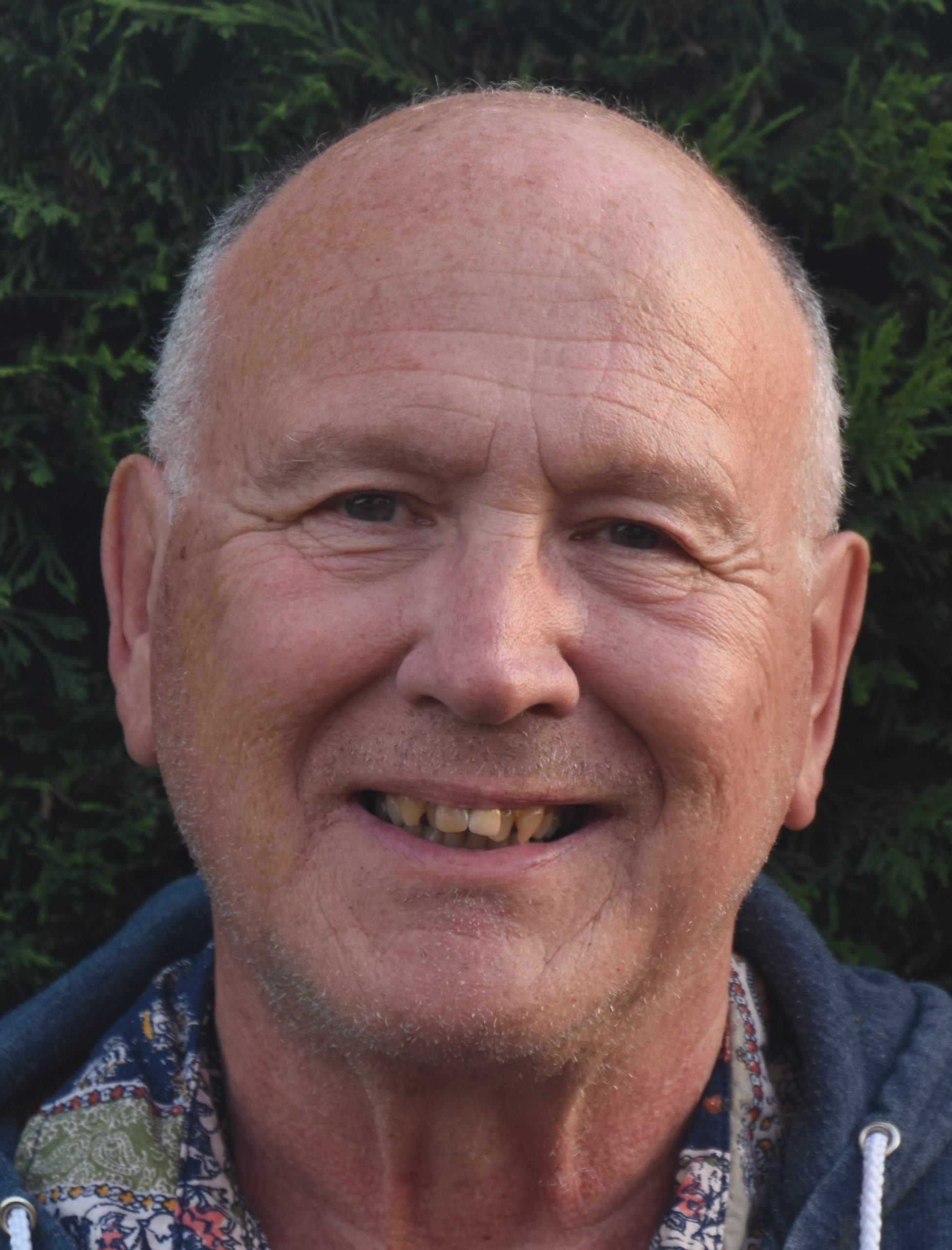
Mark Stevens is a Science Teacher who became BDMLR’s most famous face as he coordinated the rescue of the 2006 northern bottlenosed whale in the Thames.
Mark is a co-author of the original Marine Mammal Medic handbook and course, and a member of the original Large Whale Disentanglement Team, travelling to Iceland to help rescue a trapped humpback whale. He has a plethora of rescues to his name, some of the most notable include: An orca in Kent, the northern bottlenosed whale in the Thames, and several seals trapped in nuclear power stations.
Mark continues to train medics and monitors courses being run nationwide.
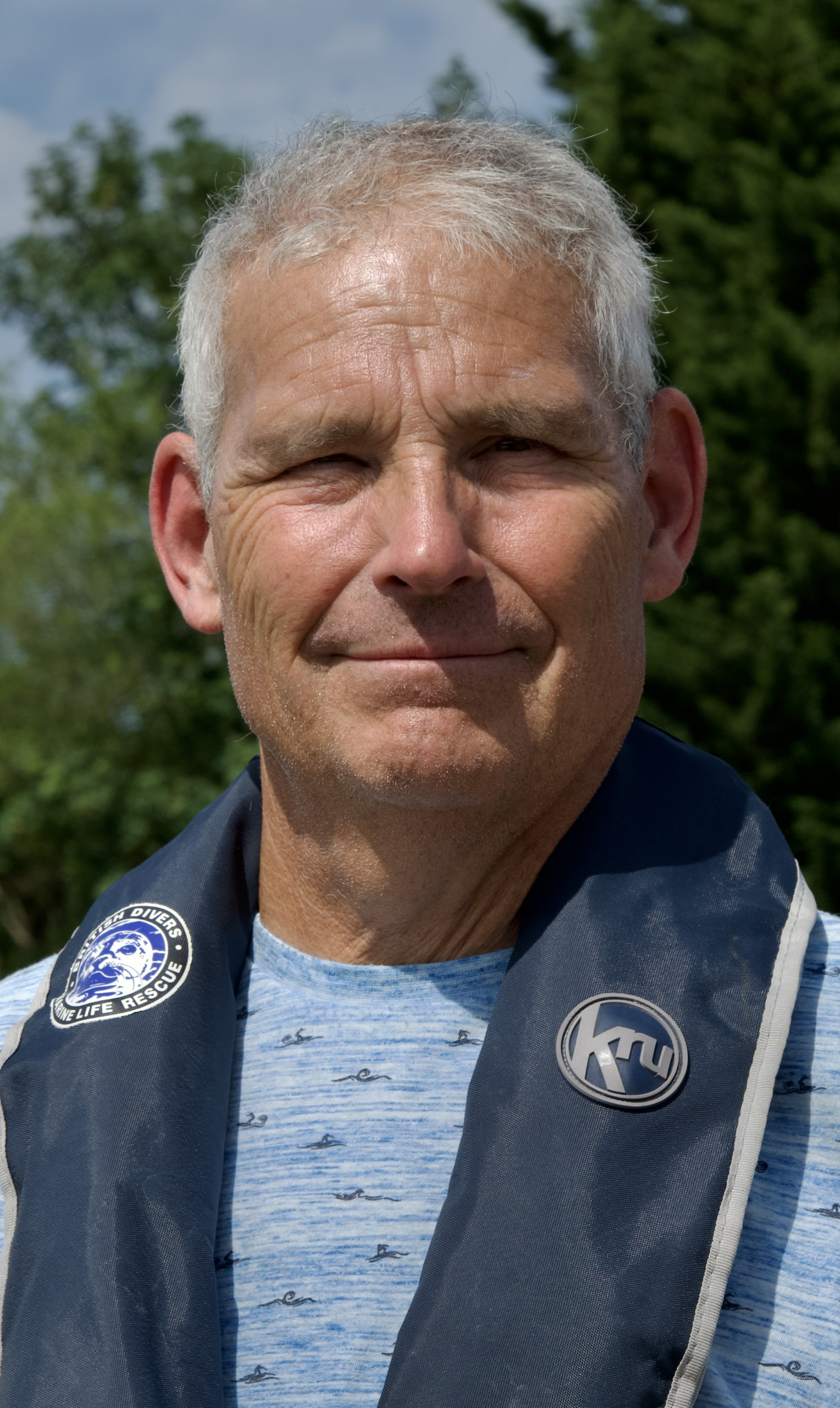
Geoff Hammock is a plumber by trade and a boat wiz by nature. He has been the coxwain of BDMLR’s RIBs for more years than anyone can remember. He’s tackled the Wash to rescue seals, the Brear oil disaster, the a plethora of other situations where a cool head were needed to get the boat where it needed to be.
As a trustee and director, Geoff still plays a huge role in BDMLR, from Marine Mammal Medic training to equipment evaluations.
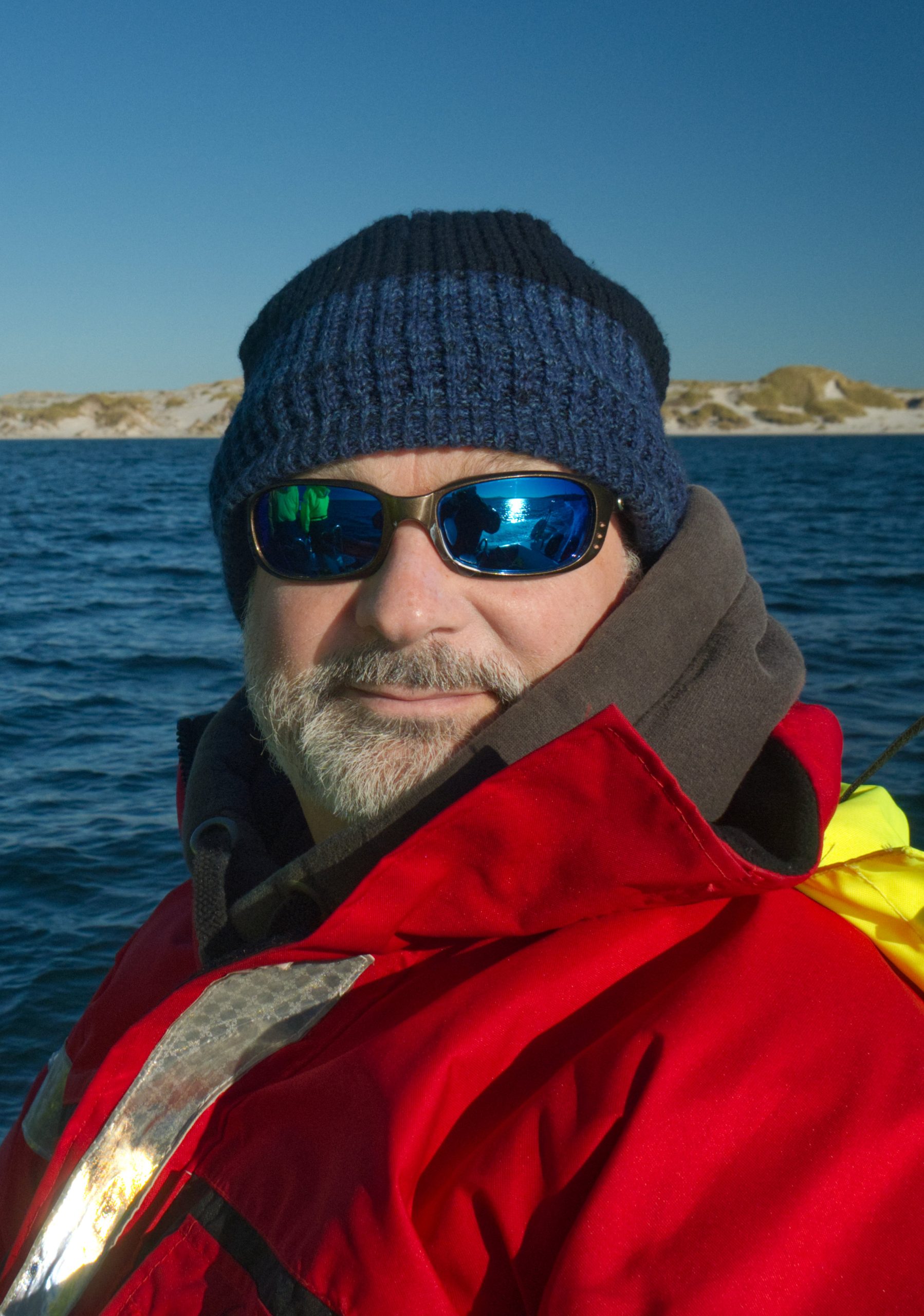
Gavin Parsons is a professional photographer and technical editor who has been involved with BDMLR since 1996. Gavin leads on all things technical and was instrumental in the digital transformation of the charity’s database management and emergency callout system.
An experienced diver and underwater photographer, Gavin has photographed for international media, Greenpeace, International Animal Rescue, and the Port of London Authority, among others. You’ll find him at rescues and on courses, shoving his camera in your face and asking you to carry on as if nothing odd is happening.
Faye Archell first became involved with BDMLR in the mid-1990s, helping release seals in The Wash, Norfolk. After learning to drive, she attended rescues across Essex and East Anglia, particularly during the 2002 PDV outbreak. Faye became BDMLR Essex Coordinator before taking part in the Thames whale rescue in 2006, and was invited to join the BDMLR Board in 2008.
Moving to Cornwall in 2009, she now lives with her partner and son and is a lecturer in Zoology at Newquay University Centre.
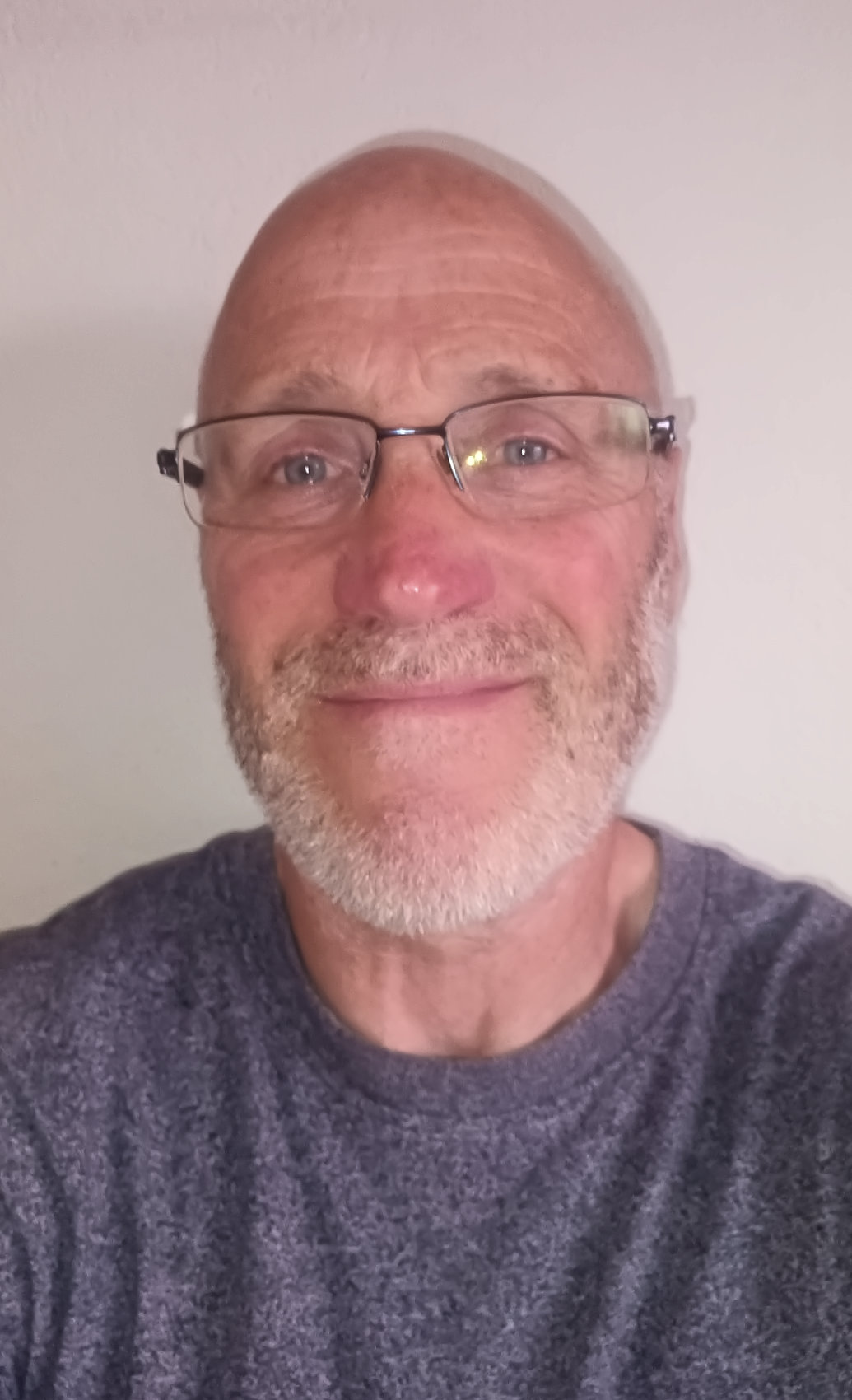
Martin Boon (known as Boonie) has been with BDMLR for nearly 18 years, during which time he has been involved in hundreds of seal rescues, relays, and rehabilitation. He has also attended numerous cetacean strandings and several mass strandings. By day, he is the Trimmer for Stagecoach, where he repairs any damaged seats. Fortunately, his employers are very supportive and allow him to leave on short notice to attend rescues.
He lives on the Moray coast, where he has a two-pen seal unit, where he can hold pups overnight to get them stabilised before transferring to rehabilitation centres.